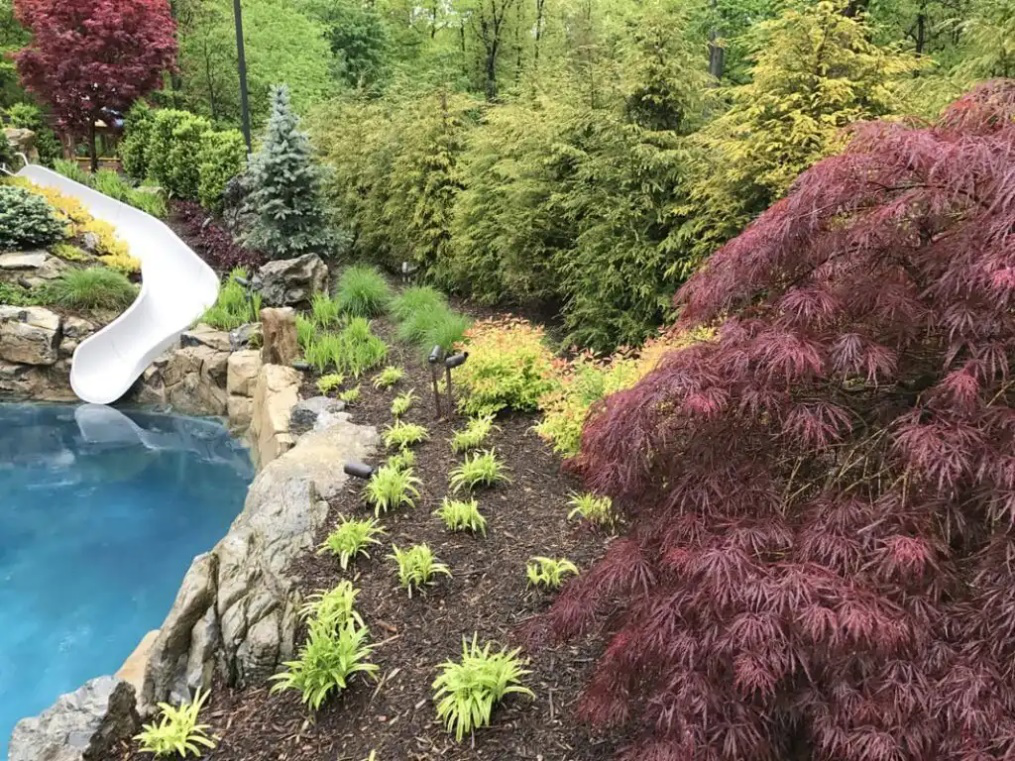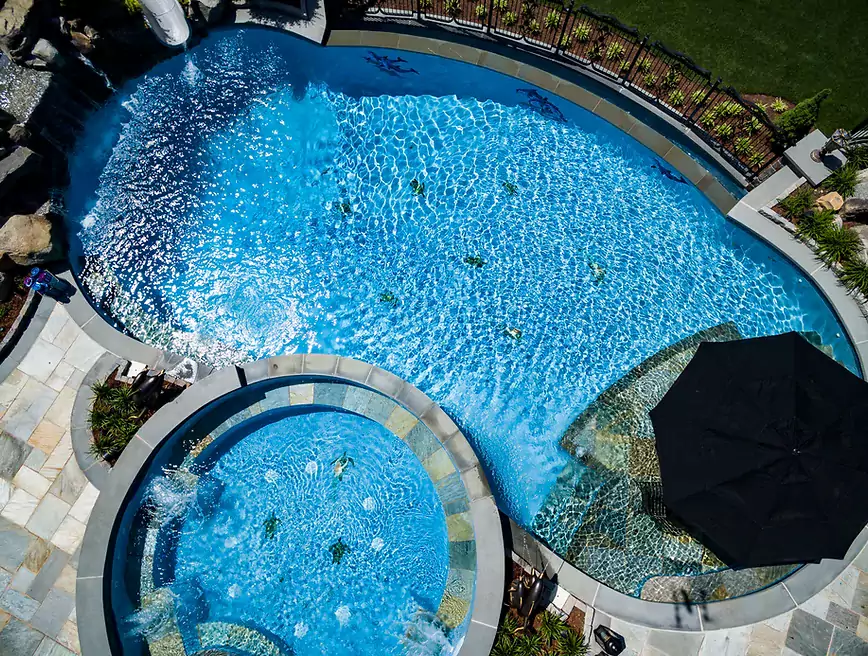
A landscape can look attractive yet still feel visually unsettled when grass, garden beds, and pathways blend into one another. In lawn maintenance planning for Ho-Ho-Kus, NJ, thoughtful landscape edging creates those crisp transitions that make an outdoor space feel intentional, balanced, and easier to manage.
1. Why Edging Makes a Difference
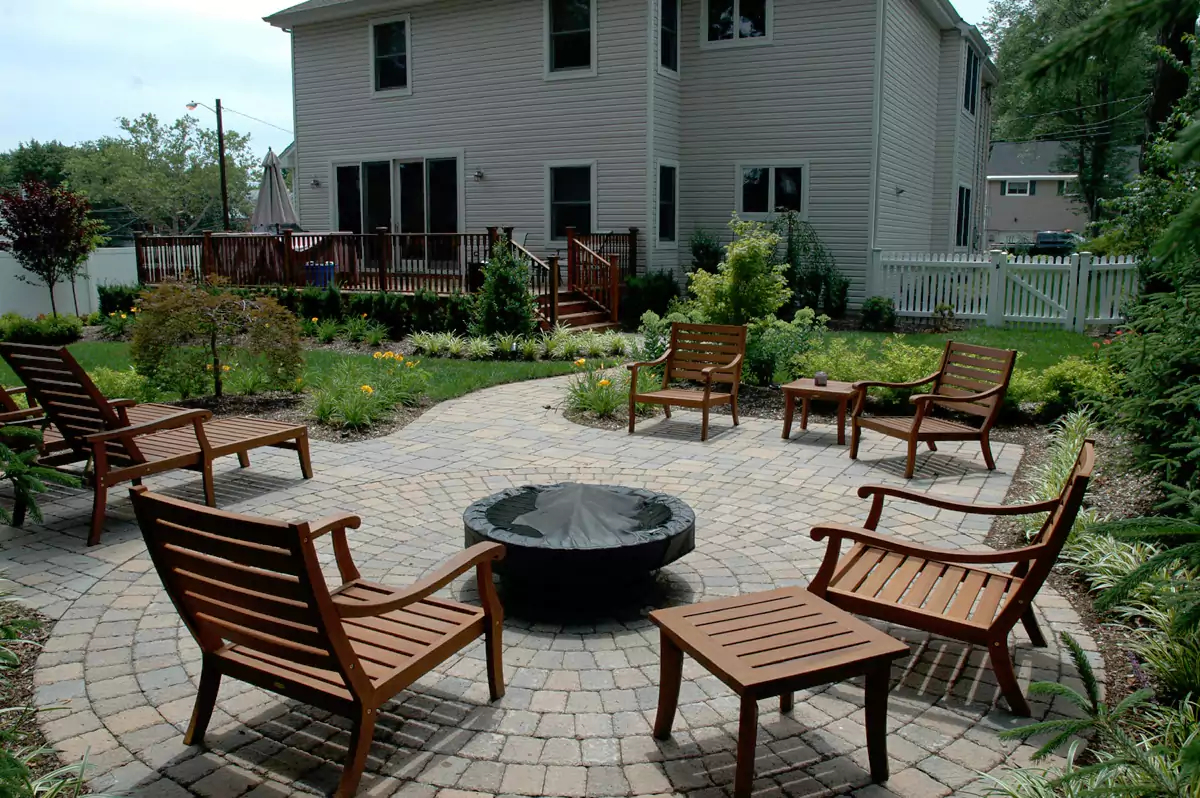
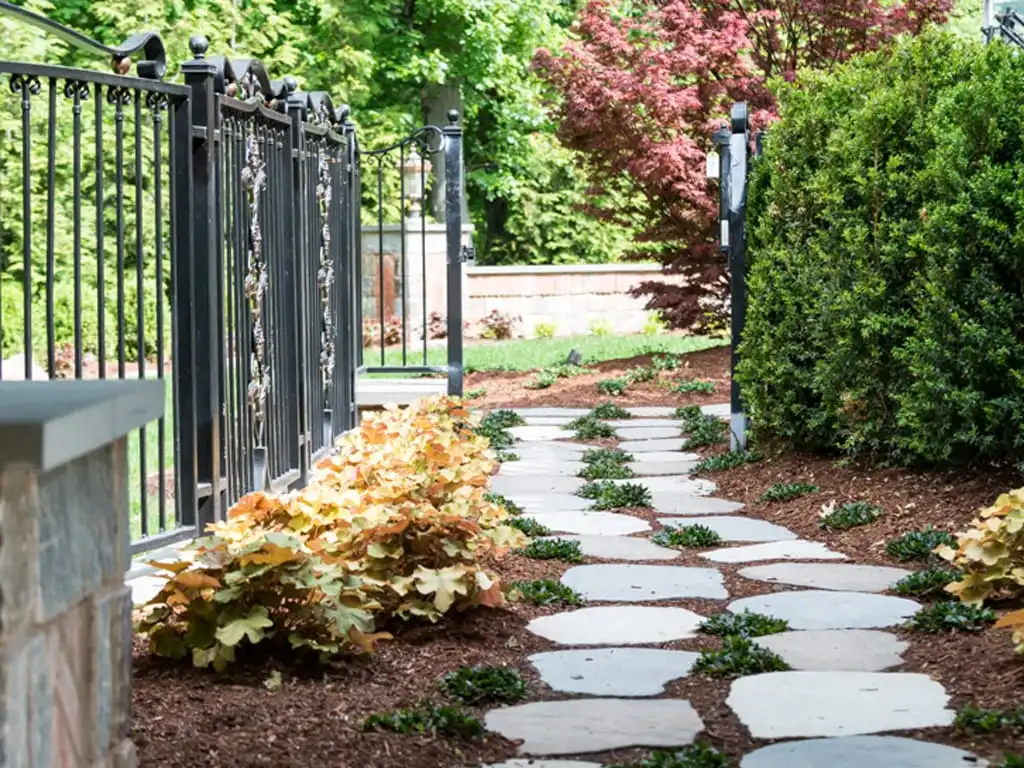
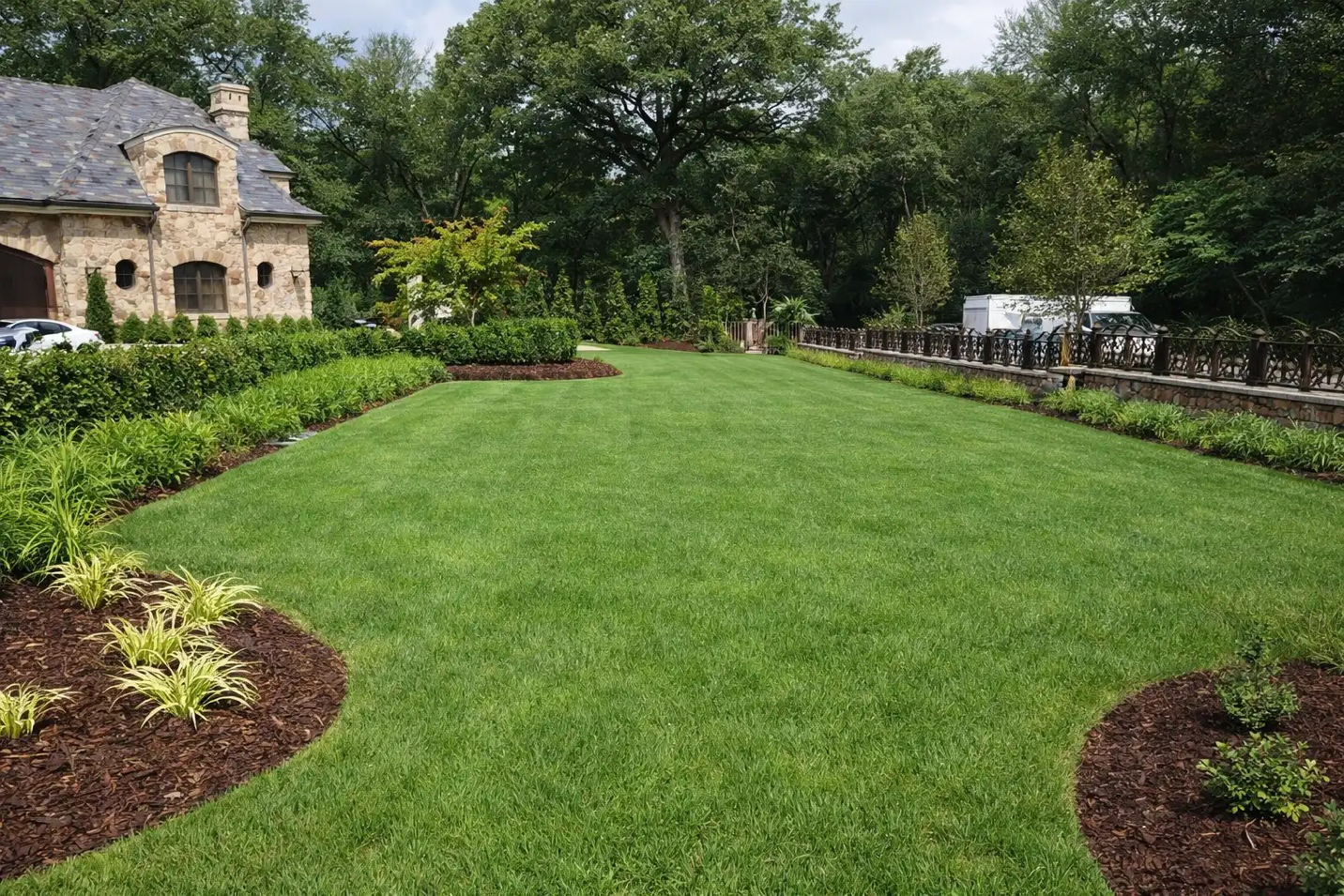
Edging is more than a decorative finishing touch. It establishes a clear boundary between lawn and planting beds, separates walkways from surrounding soil, and helps define transitions around patios, trees, and other features. Those lines give the eye a sense of order while making individual areas easier to maintain.
A well-defined border can also slow grass from spreading into mulch or planting areas. That means less time correcting fuzzy edges and more consistency between routine mowing, bed care, and seasonal maintenance. For properties where every detail matters, clean transitions can make the entire landscape appear more refined.
2. Choosing the Right Edging Style
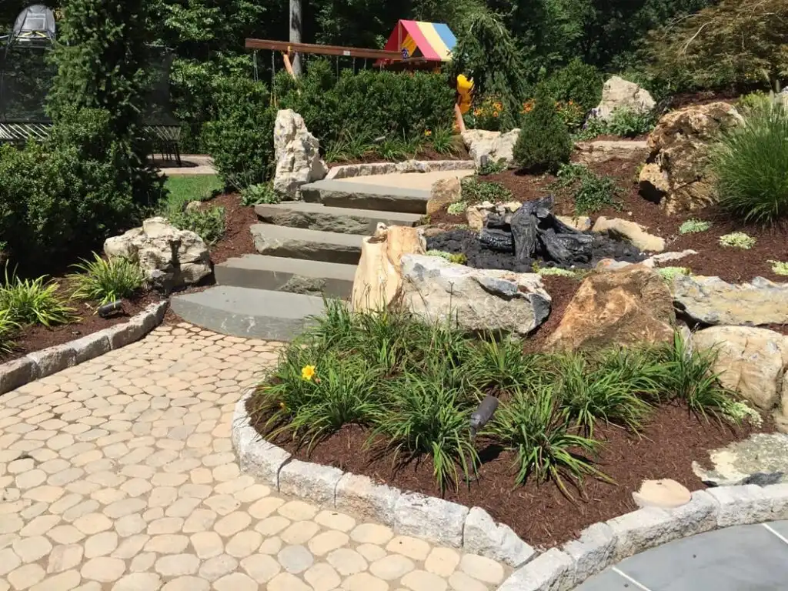
Different materials create different visual effects. Natural stone offers a substantial, timeless look that works especially well with established landscapes and hardscape features. Brick can bring structure and traditional character, particularly around formal gardens or pathways. Steel edging provides a slimmer profile for a contemporary appearance, while flexible plastic edging can work well when a budget-friendly, subtle boundary is preferred.
The shape matters, too. Straight lines can reinforce a formal layout and make broad spaces feel organized. Curved edging creates a softer transition and can complement natural planting designs. The best choice should support the existing architecture, planting style, and traffic patterns rather than compete with them.
3. Designing Borders That Stay Useful
Good edging should do more than look sharp on installation day. Its placement should account for mowing access, drainage, mulch depth, and the way plants mature over time. A border that sits too close to pavement may become difficult to maintain, while one placed without enough separation can quickly disappear beneath spreading grass or plants.
Professional planning helps turn edging into part of a larger maintenance strategy. Pairing defined beds with mulch installation can reinforce the contrast between lawn and planting areas while helping beds maintain a finished appearance. Consistent weekly lawn maintenance then keeps those boundaries looking crisp rather than overgrown.
4. A Better Finished Landscape
When every zone has a visible purpose, a property feels more cohesive. Edging frames planting beds, emphasizes pathways, and gives lawns a cleaner silhouette without making the landscape feel overly rigid. It is a relatively simple design element that can have an outsized effect on presentation and day-to-day upkeep.
For homeowners who want an outdoor space that looks considered from every angle, well-planned borders are one of the smartest details to include.
Bring Definition to Your Landscape
Terracare Landscaping brings thoughtful planning and meticulous care to every property. Whether you need lawn maintenance, landscaping mulching services, or seasonal yard cleanups in Ho-Ho-Kus, NJ, our team can create cleaner, more manageable outdoor spaces. Contact us today to discuss your property and request a personalized consultation for lasting results. Request a quote.