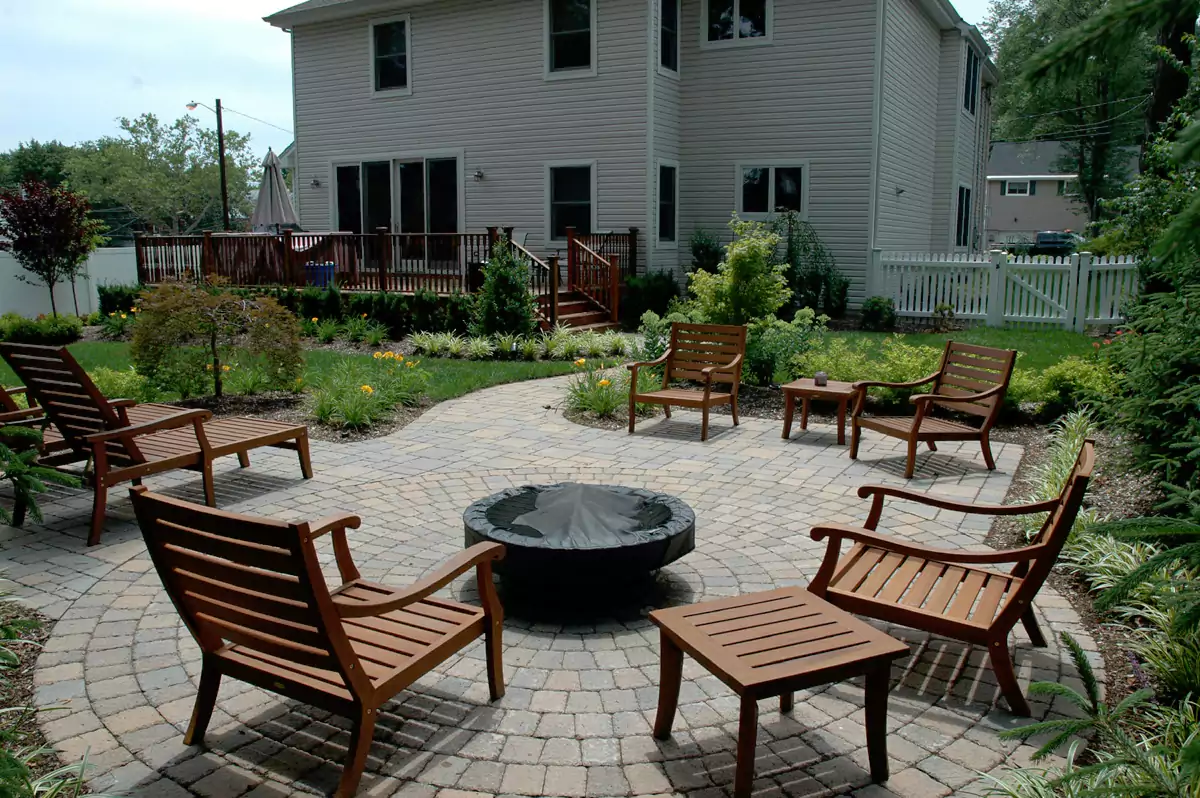
A well-maintained yard can still look unfinished when grass, mulch beds, and walkways blend together. Landscape edging creates clean boundaries between these areas,giving your outdoor space a more organized and polished appearance.
Terracare Landscapinghelps homeowners across Bergen County create better-defined outdoor spaces. Whether your property is in Allendale, Franklin Lakes, Wyckoff, or Ridgewood, the right edging can improve its appearance without requiring a complete landscape redesign.
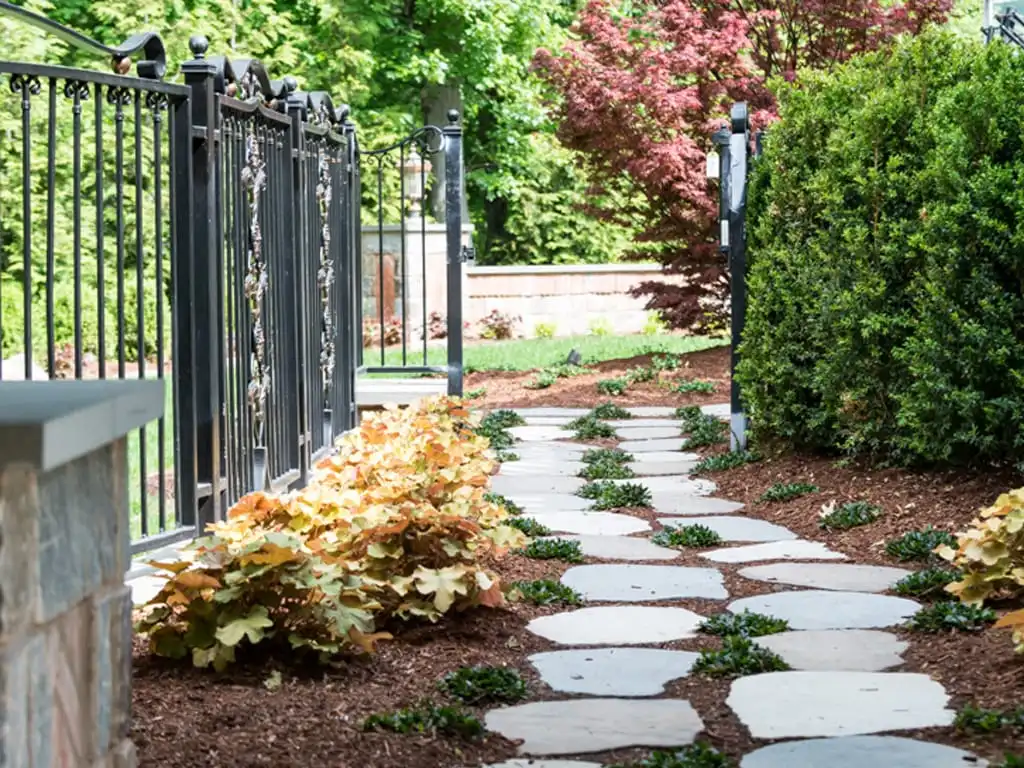
Define Where Lawn, Mulch, and Hardscape Meet
Edging is most useful wherever two different landscape surfaces meet. Grass can creep into mulch beds, soil can spill onto walkways, and gravel can gradually spread into lawn areas. Over time, these small changes can make a property look less organized even when the individual areas are well maintained.
A clear border gives each material its own visual space while creating a consistent line for mowing and trimming. This can be particularly helpful when we provide lawn maintenance in Allendale, NJor regular lawn care throughout Bergen County, because our crew can follow an established boundary instead of repeatedly reshaping the edge.
Select Materials That Suit Your Property
The best edging material depends on the home’s architecture, existing hardscape, planting style, and maintenance needs. We commonly work with metal, stone, concrete, brick, pavers, and flexible composite or plastic edging, choosing the option that supports the appearance already established around the property.
- Metal edging:A slim option that creates a clean boundary without competing with plants.
- Stone or concrete:A substantial choice that works well with patios, retaining walls, and steps.
- Brick or pavers:Useful when you want the border to connect with existing masonry.
- Plastic or composite:Flexible and practical for many lawn and garden applications.
For property owners considering mulching services, edging can also help give a freshly mulched bed a more finished shape. The EPA notes that mulch can help retain soil moisture, reduce weed growth, moderate soil temperatures, and limit erosion, making properly maintained planting beds useful for both appearance and landscape health. Learn more about landscaping and water management.
Don’t overdo the mulch. Rutgers Cooperative Extension explains how too much can harm trees and shrubs.

Use Curves and Straight Lines With Purpose
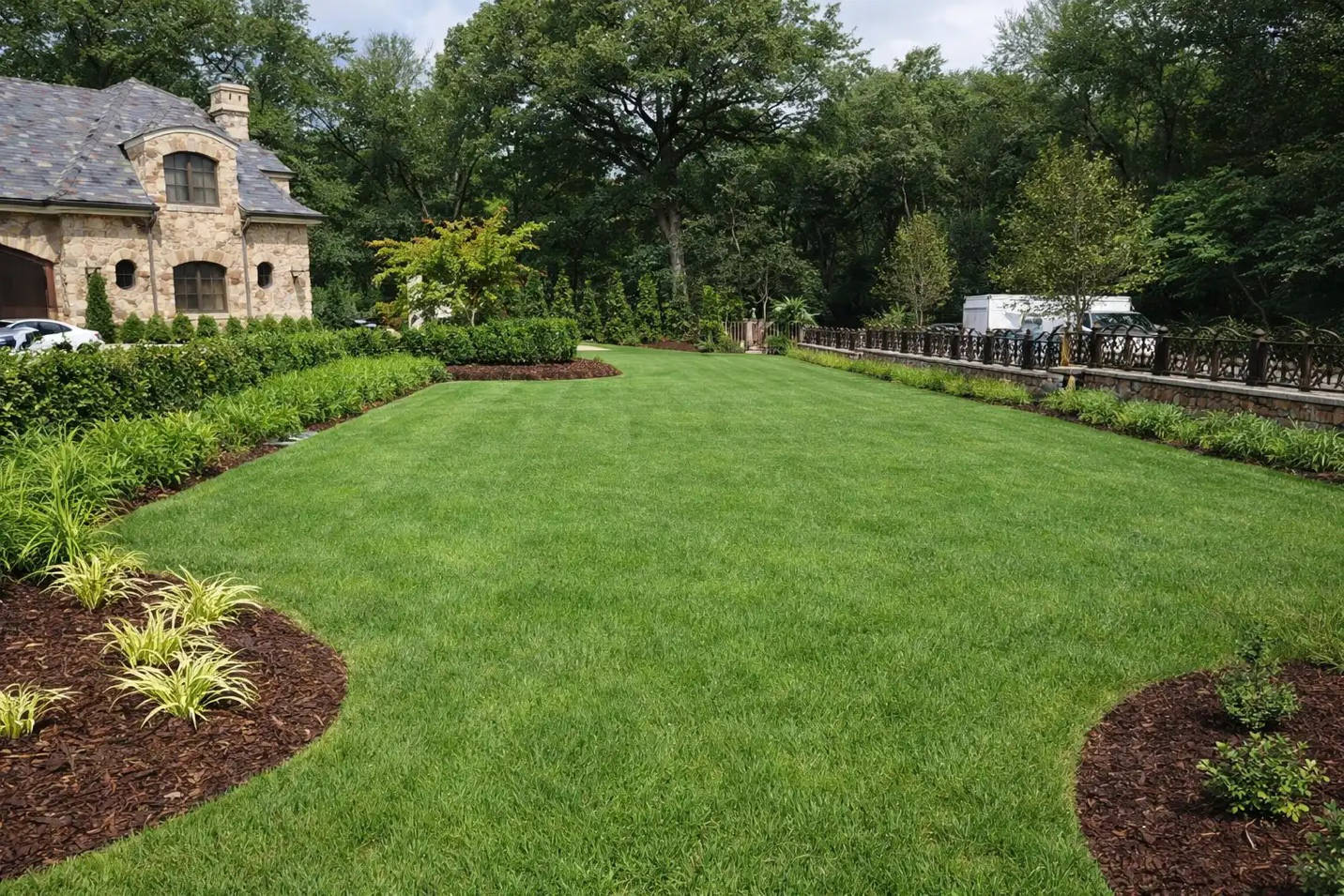
Straight edges generally create a structured appearance and work well around rectangular patios, driveways, formal planting beds, and homes with strong architectural lines. Curved borders can create a softer transition around mature trees, informal gardens, and natural-looking planting areas.
The important consideration is not whether an edge is straight or curved, but whether its shape makes sense with the rest of the property. When we handle lawn mowing, for example, the boundary between turf and a planting bed needs to work with the existing lawn shape. A curve should guide the eye or create a useful planting area rather than simply add another shape to the yard.
Prepare the Site Before Installing the Border
A professional-looking edge starts with proper preparation. Before installation, we consider soil conditions, drainage, existing roots, irrigation, utilities, and the relationship between the lawn and nearby planting beds. The finished height also matters because edging that sits too high can interfere with mowing or become an obstacle.
We pay close attention to corners and transitions as well. A planting bed should connect cleanly where it meets a walkway, driveway, patio, or another lawn section. Bergen County’s seasonal freeze-thaw cycles, heavy rain, summer growth, and leaf accumulation can all affect how well an improperly installed border holds its shape.
For plant selection around newly defined beds, the USDA Plant Hardiness Zone Map can help homeowners identify plants suited to their local growing conditions.

Make Lawn and Seasonal Maintenance More Precise
Edging does not eliminate maintenance, but it can make routine work more predictable. When we handle weekly lawn mowingor other recurring lawn services, a defined lawn-to-bed transition gives our crew a consistent line for mowing and trimming.
The benefit becomes especially noticeable during seasonal cleanups. Leaves and debris can collect along planting beds, walkways, and lawn borders, particularly around the mature trees common throughout North Jersey. For homeowners scheduling yard cleanupsor fall cleanups, clear boundaries make it easier to remove debris without disturbing mulch or plantings.
Coordinate Edging With the Rest of Your Landscape
Edging works best when it is treated as part of the overall landscape rather than as a separate decorative feature. The border should complement the size and shape of planting beds, the location of walkways, the architecture of the home, and the materials already used throughout the property.
We also consider how the finished design will be maintained. A complicated bed may look attractive when newly installed but become difficult to mow, trim, or clean. Our landscape design services can help homeowners plan borders alongside planting, mulching, lawn areas, and other outdoor features so the finished layout remains practical.
A good yard layout takes planning. This simple guide to designing your landscape shows how site conditions, plants, and maintenance all fit together.
A Small Boundary Can Pull the Whole Yard Together
A clean edge may seem like a minor detail, but it can change how the entire property looks. When grass stops neatly at a mulch bed, gravel stays within its intended area, and pathways have clear transitions, the landscape feels more organized and deliberately maintained.
For homeowners considering Full-service landscaping,edging can be coordinated with lawn care, mulching, tree planting, cleanups, and landscape improvements. OurTerracare Landscaping approach brings these individual details together so the property works as one cohesive outdoor space.
Ready to give your landscape a more defined look? Contact our team to discuss your property, edging needs, and other landscaping services in Bergen County.