Creating a beautiful outdoor space is more than placing plants beside stone pathways. The most impressive landscapes feel balanced, natural, and easy to maintain.
By thoughtfully blending hardscape features with greenery, homeowners can achieve an outdoor environment that looks polished year-round while supporting practical lawn maintenance and long-term landscape health.
Below are some key principles professionals use to combine stone, water, and plants into a seamless design.
1. Start with a Strong Structural Foundation
Hardscape elements such as patios, walkways, and retaining walls act as the backbone of any landscape design. Natural stone, pavers, and decorative gravel provide structure and help guide movement through the yard.
A skilled landscaper carefully positions these elements to create flow and functionality. For example, a curved stone pathway leading to a seating area feels inviting while also defining space within the yard. Hardscapes should complement the architectural style of the home while leaving room for greenery to soften the look.
2. Use Plants to Soften and Balance Hard Surfaces
Stone surfaces add durability and visual interest, but too much hardscape can make a yard feel rigid. This is where thoughtful planting comes in.
Strategically placed shrubs, ornamental grasses, and perennials help soften edges and add texture around patios and walkways. Incorporating professional tree planting services also adds height and shade, creating natural focal points that balance the structure of stone features.
Trees and plants bring seasonal color and movement to the landscape, ensuring the design evolves throughout the year.
3. Incorporate Water for Movement and Tranquility
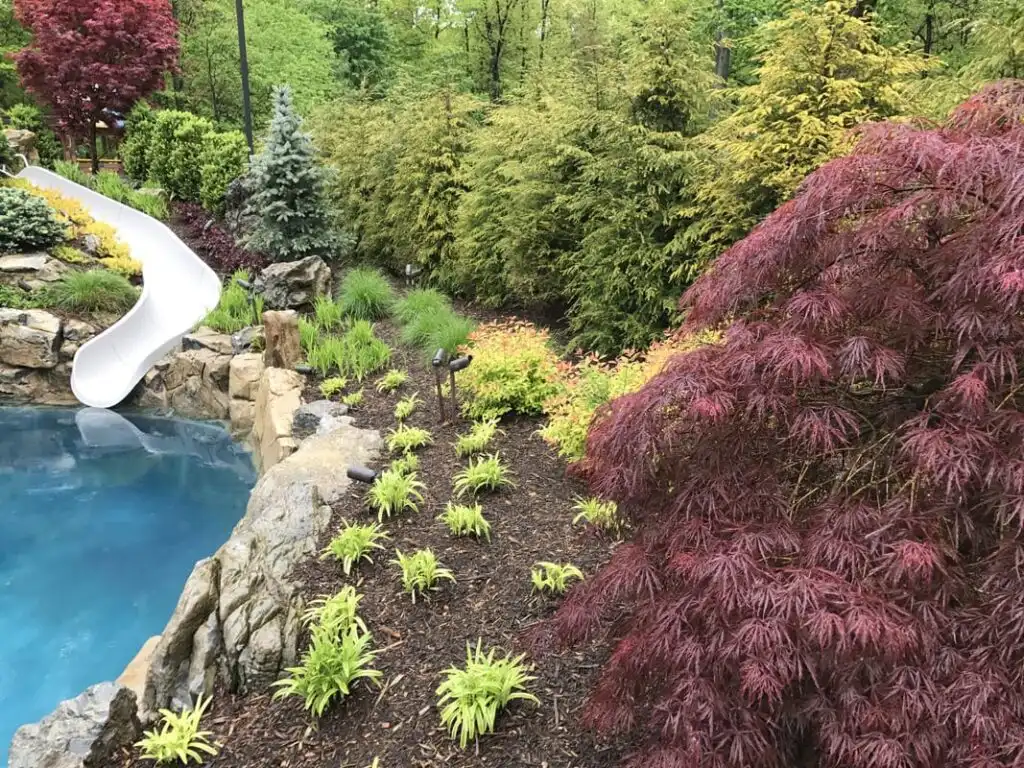
Water features are powerful design elements that connect hardscape and plant life. Whether it’s a small bubbling fountain, a reflecting pond, or a cascading waterfall, water adds sound, motion, and serenity to outdoor spaces.
Surrounding water features with natural stone and layered plantings helps them blend seamlessly into the landscape. Proper placement also ensures easy upkeep and complements ongoing lawn maintenance routines.

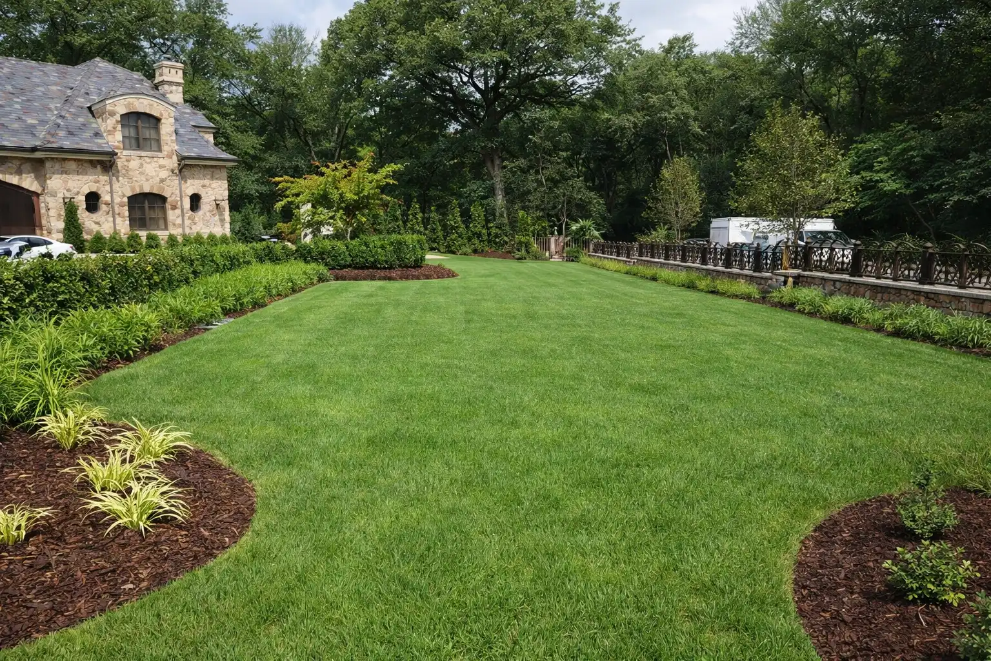
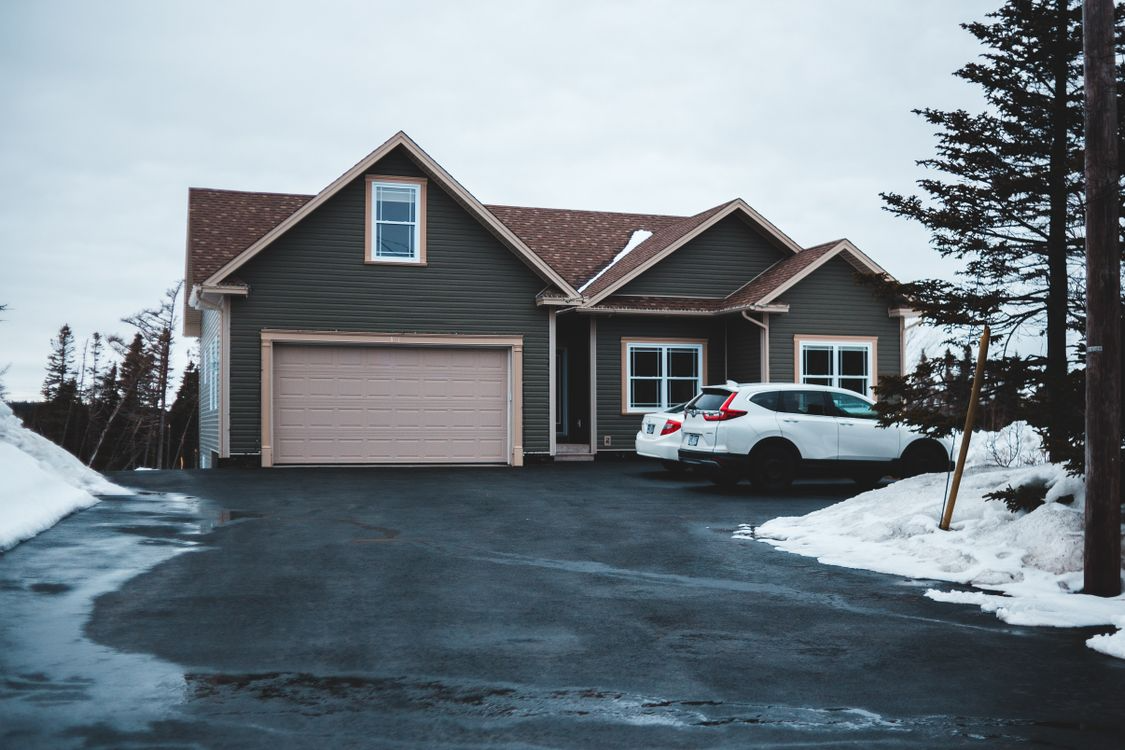
Image file name: landscaping-company
Image Alt text: An image of a house with trees, grass, and pathways
Image Caption:
4. Focus on Simplicity for Low-Maintenance Beauty
A cohesive landscape isn’t just visually appealing—it should also be practical to maintain. Repeating materials, limiting plant varieties, and choosing hardy plants can significantly reduce maintenance needs.
Mulch beds around trees and shrubs help retain moisture and suppress weeds, while defined stone borders prevent grass from creeping into planting areas. These thoughtful choices make routine upkeep easier while keeping the yard looking polished.
5. Balance Function with Natural Beauty
The most successful landscapes balance design with usability. Seating areas, pathways, and open lawn spaces should all serve a purpose while blending naturally with plants and hardscape elements.
When executed properly, these elements work together to create an outdoor environment that feels intentional, comfortable, and welcoming.
Terracare Landscaping — Creating Harmonious Outdoor Spaces
At Terracare Landscaping, we specialize in full-service landscaping designed to bring harmony to every outdoor space.
From expert tree planting services to ongoing lawn maintenance in Upper Saddle River, NJ, our experienced landscaper team creates beautiful landscapes that balance hardscape, greenery, and functionality. Let us help transform your property into a cohesive outdoor environment built to last. Reach out now.