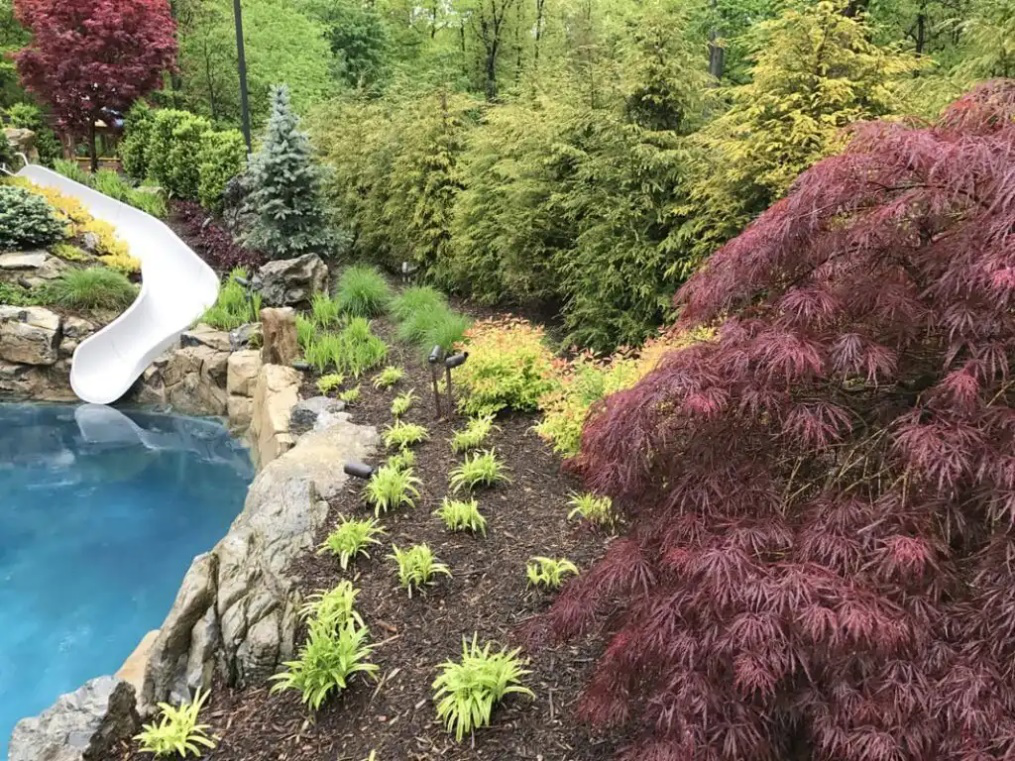
Mulch is more than just a decorative layer in your garden; it plays a crucial role in maintaining healthy plants and controlling weeds. Selecting the best garden mulch for your planting beds can improve soil health, retain moisture, and create a polished, professional appearance. Understanding the different types of mulch and their benefits will help you make the right choice for your garden.
1. Organic Mulch Options
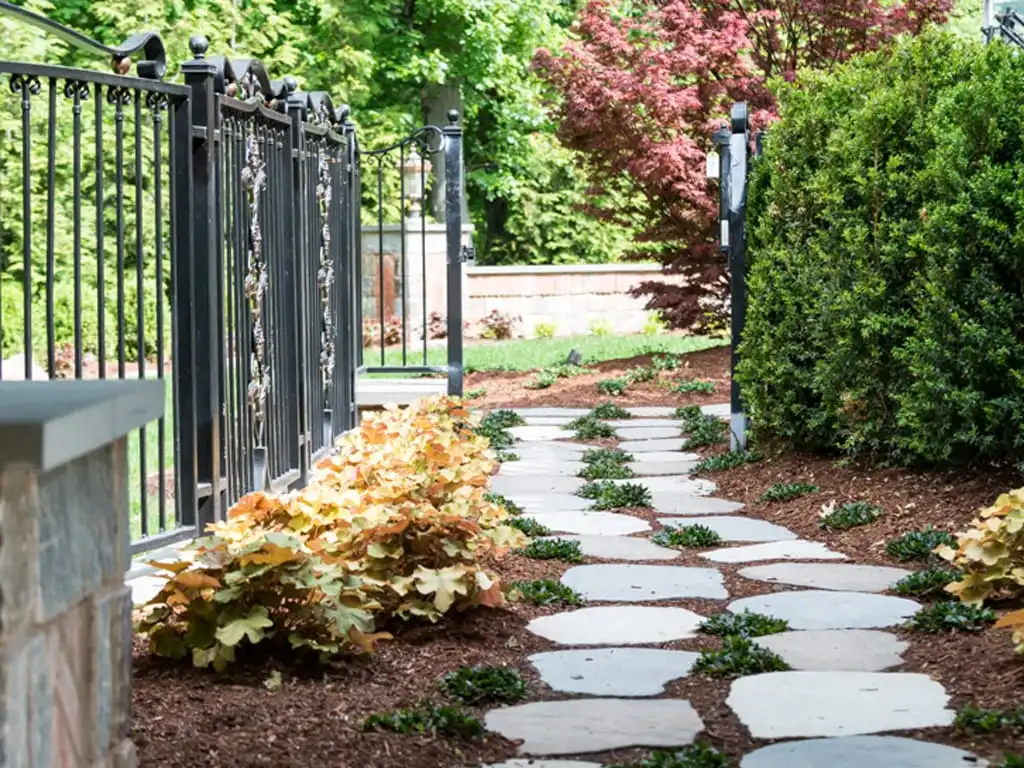
Organic mulches are made from natural materials that break down over time, enriching the soil with nutrients. Common options include bark, wood chips, straw, shredded leaves, and compost. Bark and wood chips are long-lasting and provide excellent weed suppression, while straw and shredded leaves improve soil structure as they decompose. Organic mulch is ideal for flower beds, vegetable gardens, and around shrubs and trees.
2. Inorganic Mulch Options
Inorganic mulches, such as rubber, gravel, or stones, do not decompose and can last for years. They are excellent for areas where long-term coverage is desired without frequent replacement. Rubber mulch is often used in playgrounds or pathways because it cushions surfaces, while gravel and stones are commonly applied in decorative landscapes and around perennial beds. Inorganic mulch helps control weeds but does not add nutrients to the soil.
3. Benefits of Using Mulch
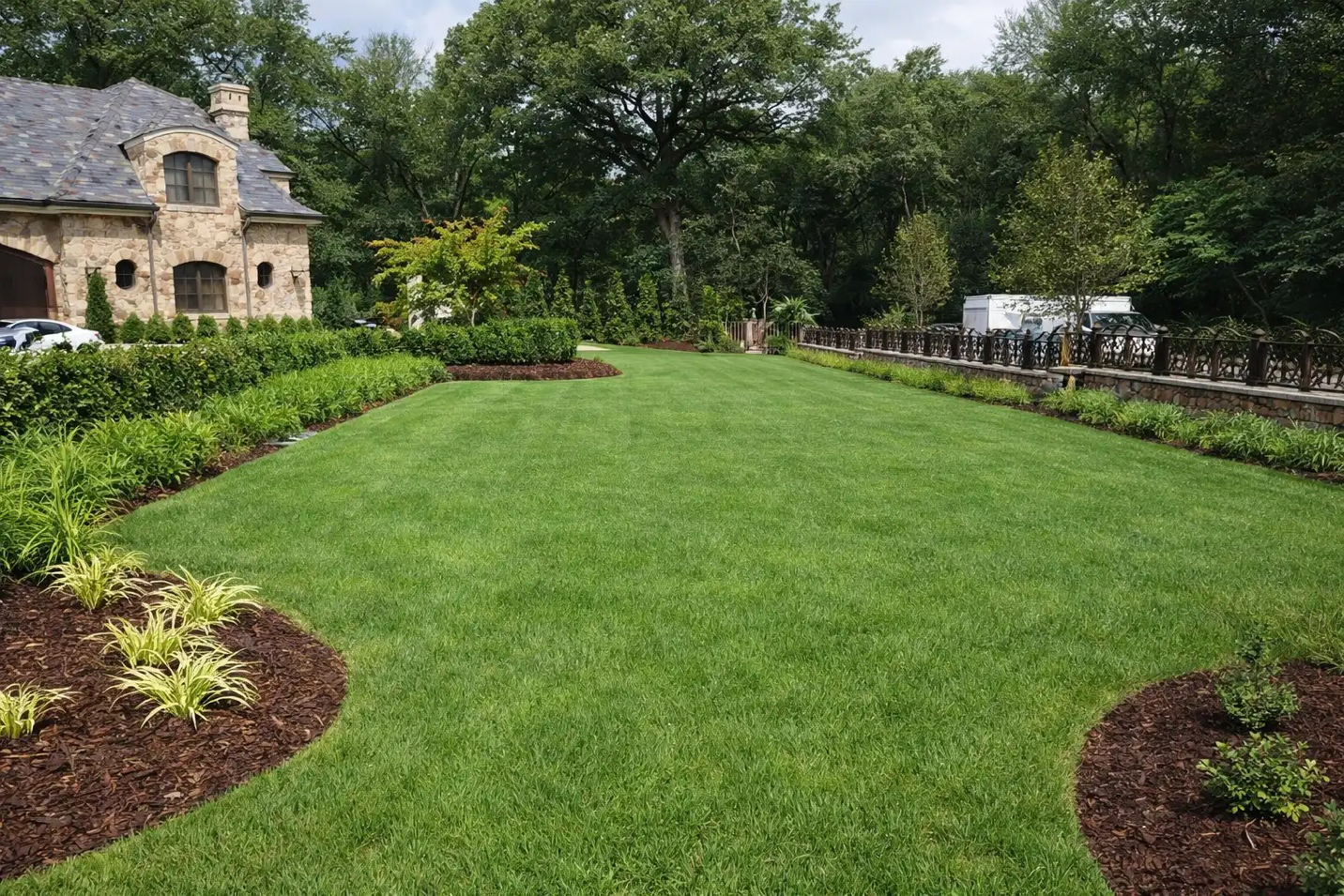
Mulching your garden beds provides numerous benefits. It helps retain soil moisture, keeping plant roots hydrated during dry periods. Mulch also regulates soil temperature, protecting roots from extreme heat or cold. Additionally, a good layer of mulch suppresses weed growth, reducing competition for nutrients. Mulch can also prevent soil erosion and improve the overall appearance of your garden, giving it a neat, uniform look.
4. How to Choose the Best Garden Mulch
When selecting the best garden mulch, consider your garden’s needs and aesthetic preferences. Organic mulches are ideal if you want to enrich the soil naturally, while inorganic mulches are better for long-lasting coverage and minimal maintenance. Color, texture, and the size of the mulch material also matter—larger bark chips provide a rustic look, while finely shredded wood offers a smoother finish. Finally, ensure the mulch layer is applied properly, generally 2–4 inches thick, while keeping mulch away from plant stems to prevent rot.
5. Maintenance Tips
Mulch requires some upkeep to remain effective. Organic mulch decomposes over time and may need to be replenished annually. Regularly check for compacted areas and fluff or turn the mulch to maintain proper airflow and water penetration. Weed growth can occasionally occur, so remove weeds promptly to keep beds looking clean and healthy.

At Terracare Landscaping, we help you select and install the best garden mulch to keep your planting beds healthy and attractive. We offer professional mulching services, yard cleanups, and full-service landscaping, ensuring every part of your garden stays vibrant. Our team works with both residential and commercial properties in various areas in New Jersey, providing expertise and care for lasting results.
Let us help you enhance your outdoor spaces with top-quality mulch and personalized attention. Contact us now.