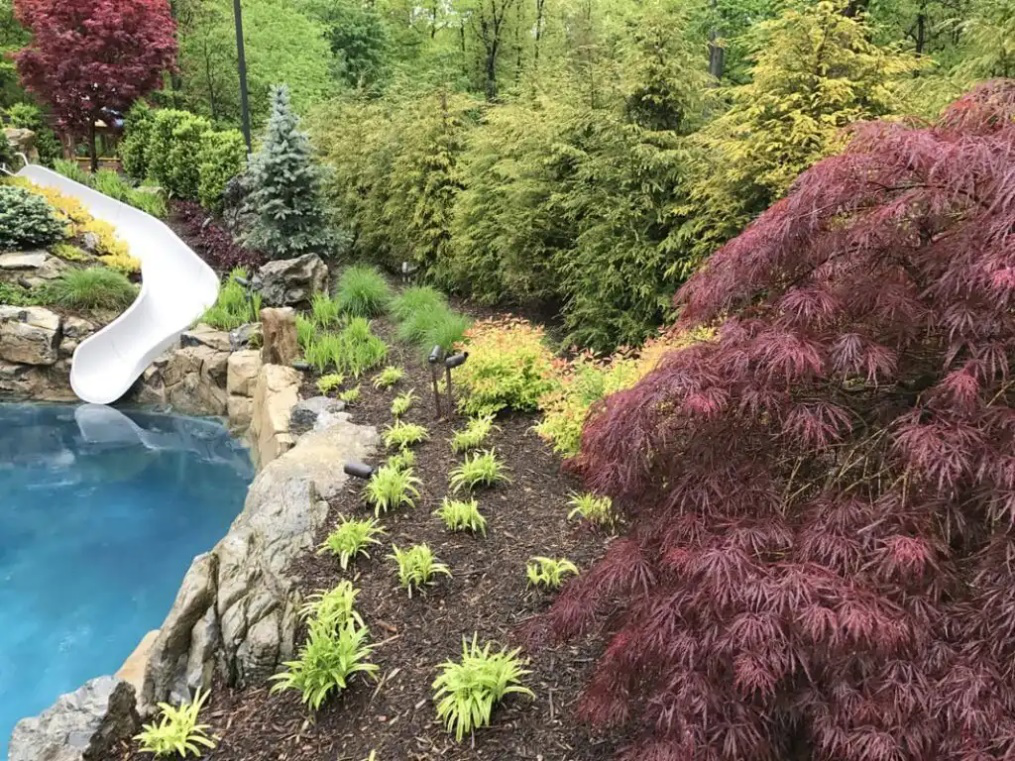
Proper pruning is essential for maintaining the health, appearance, and longevity of your ornamental plants. Knowing how and when to prune can make the difference between thriving shrubs and those that struggle to grow. This guide focuses on pruning ornamental shrubs, offering tips on techniques, timing, and maintenance to keep your landscape looking its best all year round.
1. Why Pruning Matters
Pruning ornamental shrubs is more than a cosmetic task. Removing dead, diseased, or damaged branches improves air circulation, reduces the risk of pests, and encourages healthy new growth. Overgrown shrubs can overshadow nearby plants or block walkways, so regular pruning helps maintain a balanced and functional landscape. Additionally, pruning stimulates the production of new shoots, resulting in fuller, more vibrant foliage and, in some cases, more abundant flowers.
2. When to Prune
Timing is critical for effective pruning of ornamental shrubs. Most flowering shrubs should be pruned immediately after they finish blooming, as cutting too early can remove buds for the next season’s flowers. Evergreen shrubs, such as boxwood or holly, can be lightly pruned in late winter or early spring before new growth begins. Avoid heavy pruning during periods of extreme heat or frost, as this can stress plants and increase susceptibility to disease. Knowing the specific growth cycle of your shrubs is key to ensuring healthy results.
3. Essential Pruning Techniques
There are several techniques for pruning ornamental shrubs, each serving a specific purpose:
- Thinning: Remove entire branches at the base to improve light penetration and airflow, promoting healthier growth.
- Heading: Cut back a portion of a branch to encourage bushier, denser growth and maintain size.
- Shearing: Trim the outer edges to shape shrubs, commonly used for hedges or topiary designs.
- Deadheading: Remove spent flowers to encourage continuous blooming and maintain a tidy appearance.
When pruning, always use clean, sharp tools to make precise cuts and reduce the risk of infection. Cut at a 45-degree angle just above a bud that faces outward, which encourages outward growth and prevents crowding. Proper technique also minimizes stress to the plant and promotes faster recovery.
4. Safety and Maintenance
Safety is important when pruning larger shrubs or ornamental trees. Wear gloves, eye protection, and long sleeves to protect against scratches and debris. For taller shrubs, use a stable ladder or consider hiring professional assistance. After pruning, dispose of removed branches and leaves properly to prevent disease spread. Sanitizing tools between plants is essential, especially if you notice signs of infection or pests.
5. Additional Tips for Healthy Shrubs
- Avoid removing more than one-third of a shrub at a time to prevent shock.
- Mulch around the base to retain soil moisture and suppress weeds.
- Water shrubs regularly, particularly after pruning, to support new growth.
- Monitor for pests or disease, which can take advantage of pruning wounds if left unchecked.
- Observe your shrubs throughout the year to identify areas needing attention before they become problematic.
6. Long-Term Benefits
Consistent pruning of ornamental shrubs not only improves aesthetics but also strengthens the plant for the long term. Healthy, well-pruned shrubs are less prone to disease, have better structural integrity, and provide better shade or privacy when used strategically in landscapes. Pruning can also enhance flowering and fruiting for ornamental species, contributing to a more vibrant garden.

At Terracare Landscaping, we specialize in pruning ornamental shrubs to keep your garden healthy, vibrant, and well-shaped. We provide expert shrub pruning, yard cleanups, and full-service landscaping, ensuring your outdoor spaces stay beautiful all year long. Our team works with both residential and commercial properties, offering tailored solutions for every garden in New Jersey.