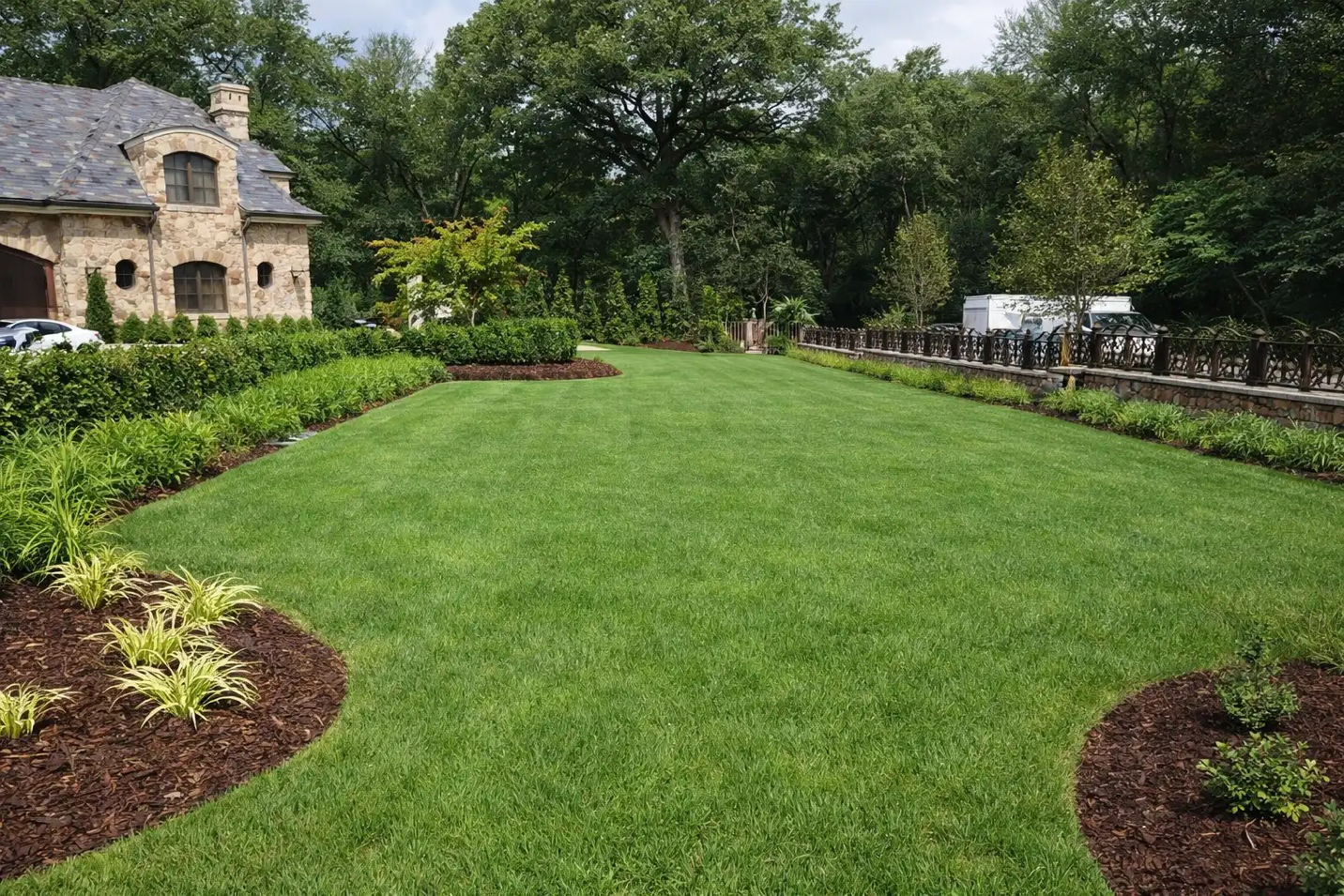
Maintaining a thick and green lawn requires a deep understanding of what happens beneath the surface. To achieve the best results, you should use professional lawn care programs that provide the specific nutrients your grass needs at the correct times of the year. If you want to see a real difference in your yard, you should consider a schedule for lawn care in Wyckoff, NJ that focuses on the chemistry of the dirt and the needs of the grass.
A successful program starts with a soil test to determine the pH levels and nutrient deficiencies of your ground. This data allows you to apply the correct balance of nitrogen, phosphorus, and potassium.
Fertilization and Seasonal Nutrient Timing
The timing of your fertilizer application is just as important as the type of product you use. In the spring, you should focus on nitrogen-rich mixtures that encourage rapid leaf growth and help the grass wake up from its winter dormant state. This early feeding gives the turf the strength it needs to fight off weeds and withstand the heat of the coming summer months.
As the weather cools in the autumn, your strategy should shift toward root development. High-potassium fertilizers help the grass store energy and build a strong root system that can survive the freezing winter temperatures. Applying these products in the right amounts prevents runoff and ensures that the grass absorbs everything it needs to stay healthy and resilient.
Weed Control and Pre-Emergent Strategies
Effective weed management is about prevention rather than just reacting to growth. You should use pre-emergent treatments in the early spring to create a barrier in the soil that stops weed seeds from germinating. This process is much more efficient than trying to remove established weeds after they have already taken over your garden beds and lawn.
For any weeds that do manage to grow, you should use post-emergent spot treatments that target specific broadleaf species without harming your grass. This targeted approach keeps your lawn looking uniform and prevents weeds from competing with your turf for water and nutrients. Keeping the lawn dense through proper feeding is the best natural defense against weed infestation.
Soil Compaction and Mechanical Support
Even the best fertilizer cannot work if the soil is too hard for the nutrients to reach the roots. You should check for soil compaction, which often happens in high-traffic areas or on properties with heavy clay. Mechanical core aeration is a great way to open up the soil, allowing air, water, and food to penetrate deep into the ground.
This process also helps reduce thatch buildup, which is a layer of organic debris that can block sunlight and trap moisture at the surface. By combining aeration with your feeding schedule, you create an environment where the grass can grow thick and stay healthy. Consistent care throughout the year ensures that your property remains a highlight of the neighborhood.

Professional Property Care and Maintenance
Building a healthy lawn is a long-term commitment that yields great results when handled by experts. In addition to chemical treatments, you must maintain a consistent schedule for weekly lawn maintenance to keep the grass at a healthy height.
By investing in full-service landscaping and professional annual lawn care, you ensure that your outdoor space is managed with the latest scientific methods. If you are ready to improve the health of your soil and grass, contact Terracare Landscaping to start your custom program today.
Call today to schedule your service!