The difference between an average yard and one with a deep-green finish comes down to applying scientifically proven greener lawn techniques. Healthy grass is a direct result of consistent timing, proper nutrition, and targeted environmental management, not luck. Professionals implement a strategic lawn care program that addresses the biological needs of the turf throughout the year. Understanding these methods allows you to move beyond simple cutting and achieve the resilient, vibrant lawn you desire.
Soil Testing and Precise Nutrition
The foundation of a healthy lawn is healthy soil. You cannot effectively nourish your grass without knowing what nutrients are already present or missing. Professional services begin with soil testing to determine the specific pH level and the existing balance of macronutrients like nitrogen (N), phosphorus (P), and potassium (K). Applying fertilizer without this knowledge is essentially guessing, which often leads to over-fertilization, causing weak growth, or under-fertilization, leading to pale turf.
Once the deficiencies are known, a precise feeding schedule is implemented. Nitrogen is often the most important element for color and growth, but it must be applied at the correct intervals—typically four to five times per year—to ensure sustained color without causing nutrient burn or excessive blade growth. This precision ensures every application contributes directly to the lawn’s density and deep green color.
The Importance of Aeration and Overseeding
Over time, soil compaction naturally occurs from foot traffic, mowing, and rainfall, restricting the flow of water, air, and nutrients to the grass roots. This is especially true for properties with heavy clay soil, such as those sometimes found in Ramsey. Aeration is a process that mechanically removes small plugs of soil, creating tiny channels that relieve this compaction.
Relieving compaction allows the roots to breathe and grow deeper, which is essential for drought resistance and overall health. Following aeration, overseeding is performed. This involves spreading new, high-quality grass seed over the existing turf. The new seeds germinate best in the freshly aerated holes, leading to a much denser turf. Thicker turf naturally chokes out weeds and reduces the space available for weed seeds to sprout, which is key to maintaining a vibrant color.
Research confirms that compacted lawns receiving aeration and overseeding services are up to 40% more resilient against drought conditions than untreated lawns.
Water Management and Mowing Height
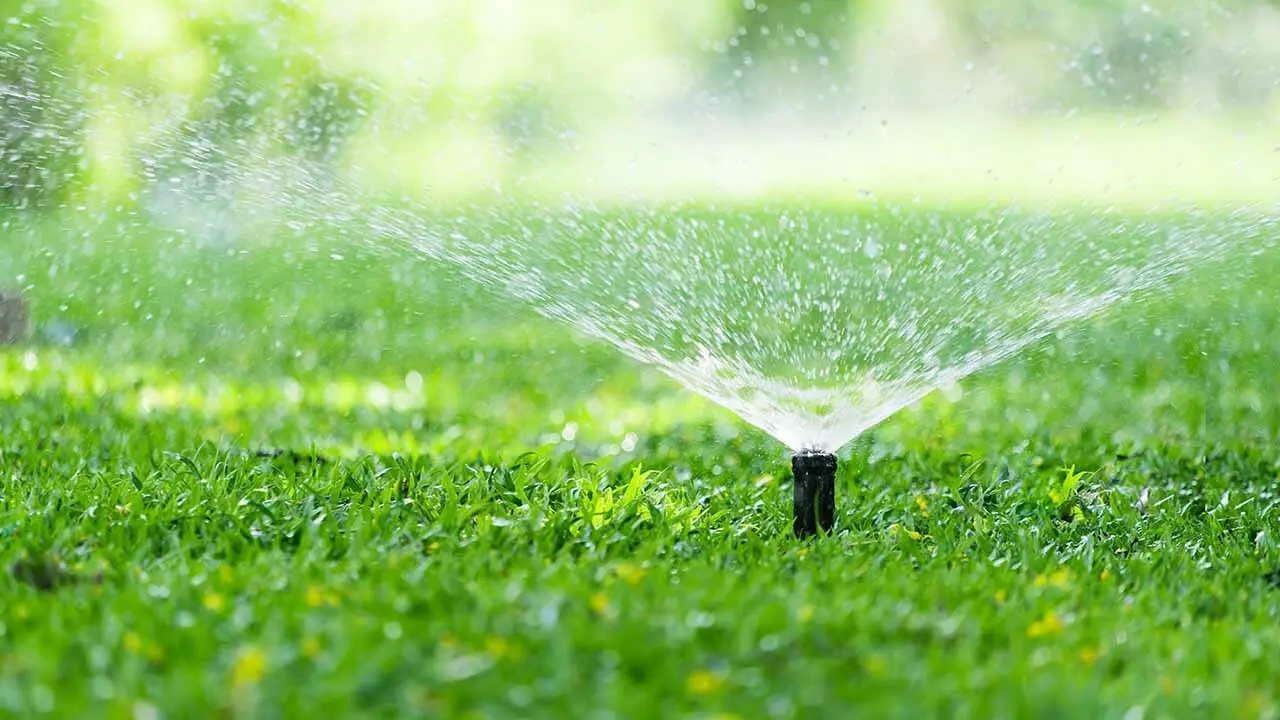
Correct water management and precise mowing height are simple yet fundamental scientific techniques. Grass should receive deep, infrequent watering rather than light, daily sprinkles. Deep watering encourages roots to grow downward, making the plant more self-sufficient and heat-tolerant. Conversely, shallow watering keeps the roots near the surface, leaving them vulnerable to heat stress.
Mowing height is also critical. Cutting the grass too short stresses the plant and exposes the soil to sunlight, encouraging weed germination. Professionals maintain a cutting height of around three to four inches, which allows the grass blade itself to shade the roots and soil. This shading keeps the soil cooler, retains moisture, and physically suppresses weed seedlings.

Securing Your Deep-Green Turf
Achieving and maintaining that sought-after deep green turf requires consistent scientific application of techniques like soil analysis, timed nutrition, and proper cutting height. Relying on professional lawn care ensures these steps are executed with expertise and precision, eliminating guesswork and delivering predictable results. For consistent, superior lawn maintenance and weekly lawn mowing programs, professional service is the most effective approach. To start improving your turf health, reach out to the team at Terracare Landscaping.
Call now at 201-891-1700!