If you’re serious about a healthy lawn, understanding thatch is essential. We talk a lot about mowing, watering, and fertilizing, but one thing that often gets overlooked is that layer of organic material called thatch, and whether it’s helping or hurting your yard.
At Terracare, we see the effects of poor thatch management every week across Bergen County, from Wyckoff to Ramsey to HoHoKus, and we’re here to break down the science of it so you can make smart decisions for your lawn.
What Is Lawn Thatch?
Thatch is a naturally occurring layer of living and dead organic matter, like stems, roots, and grass clippings—that sits between the green blades and the soil surface. A thin layer (about ½ inch or less) is actually beneficial. It cushions foot traffic, insulates the roots from extreme temperatures, and helps retain soil moisture.
But when thatch builds up too much, it creates a barrier that blocks water, air, and nutrients from reaching the soil. That’s when problems start.
When Thatch Becomes a Problem
Excess thatch—anything over ¾ of an inch thick—can cause major issues. It becomes a breeding ground for pests and disease, leads to poor drainage, and can suffocate your grass. We see this most often in over-fertilized lawns or where clippings are left behind without proper mowing techniques. It’s also more common in fast-growing grass varieties and poorly aerated soils.
In towns like Franklin Lakes, Allendale, and Saddle River, where many of our clients rely on weekly lawn mowing, we make sure clippings are properly managed to prevent thatch from building up in the first place.
Signs You Might Need to Dethatch

- Your lawn feels spongy underfoot
- Water runs off instead of soaking in
- Grass looks weak or patchy despite proper watering and feeding
- You see an excessive buildup of debris at the soil level
If you’re noticing any of these signs, it’s time to have us take a closer look. We offer lawn maintenance and residential lawn care that includes full evaluations of soil health and thatch levels.
Managing Thatch the Right Way
At Terracare, we prefer an organic-first approach. We manage thatch with proper mowing, soil testing, and regular aeration—especially in compacted areas like those in Oakland or Mahwah. When mechanical dethatching is necessary, we do it at the right time of year (typically early spring or early fall) so your lawn can recover quickly.
Let’s Build a Healthier Lawn—From the Soil Up
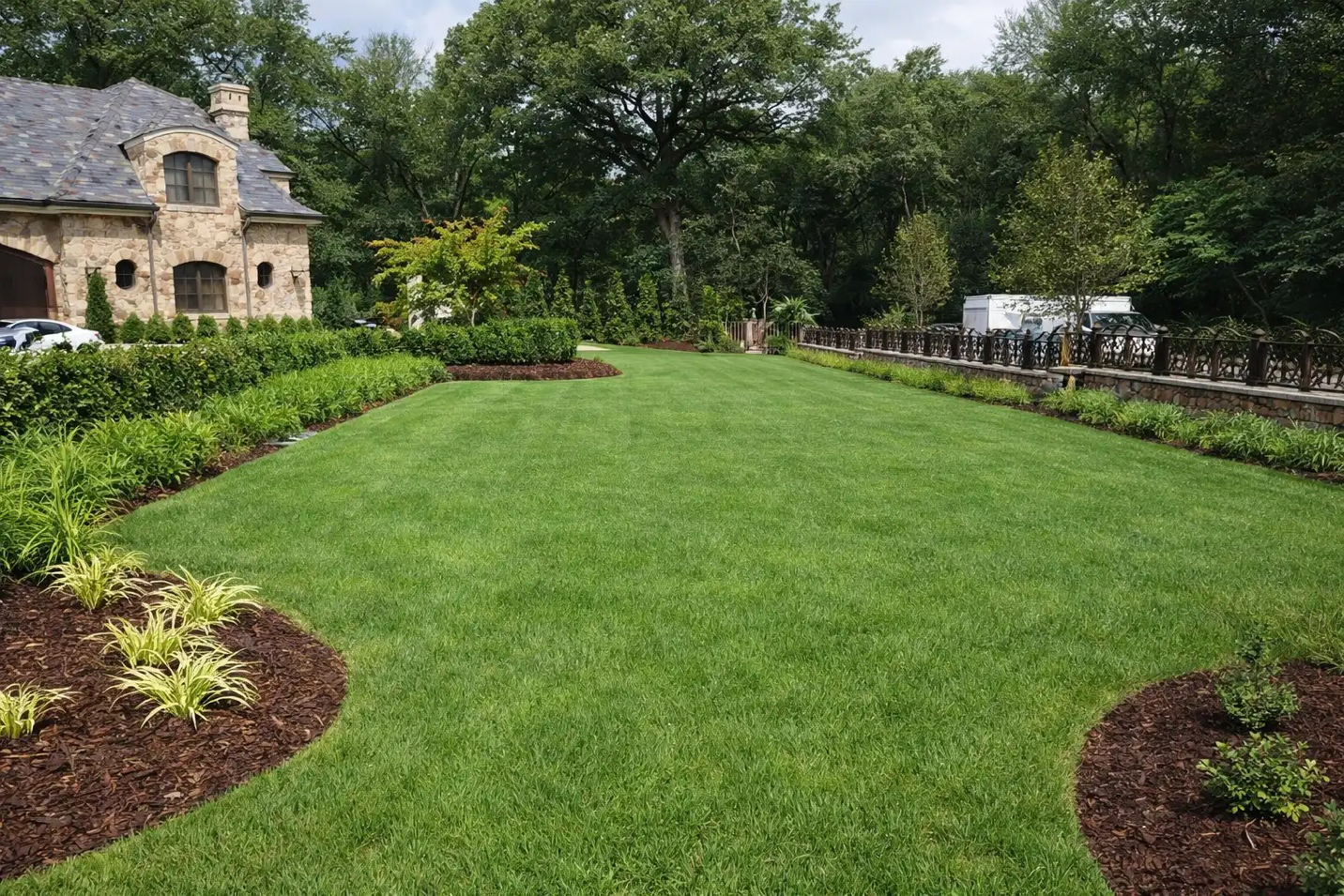
Managing thatch is all about balance. Too little attention, and it builds up into a barrier. Too aggressive a response, and you can damage healthy turf. At Terracare, we understand how to get it right. Whether you’re in need of annual lawn care, weekly lawn mowing, or yard cleanups in Oakland, we tailor our approach to your lawn’s exact needs.
If you’re not sure what’s happening beneath the surface of your lawn, we can help. Contact us today to schedule an expert lawn evaluation—and get one step closer to the thick, green, healthy lawn your property deserves.